There's no need to reinvent the wheel. Sometimes you have to dig into the past to find ideas that still work today.
Content marketing is one of the most cost-effective ways to grow a business from scratch. It isn't a buzzword or a shiny new tactic. It has been around for over a century, and many global brands used it in their early days to build an audience and win their first customers.
Here are five content marketing lessons from the last century, from the biggest brands and the sharpest advertising minds, and how you can apply each one today.
1. David Ogilvy on selling and headlines
David Ogilvy is often called the "father of advertising", and for good reason. He was known for headlines and copy that sold, and his work succeeded in many industries, from cars to men's shirts.
In Ogilvy's words: "On average, five times as many people read the headline as read the body copy. When you have written your headline, you have spent eighty cents out of your dollar."
Your job as a content marketer is to sell with every piece of content. Take Ogilvy's advice and write headlines that make people want to read on, then split test the click-through rate (CTR) of different headlines.
Direct response marketers know the exact return on every dollar they spend on advertising. Know your numbers too. Track which content makes you money, brings in leads, wins new or repeat customers, and which pieces nobody reads. That's the only way to make your content more profitable.
2. Longer is (almost always) better
Attention spans may be shorter than ever, but long content still tends to outperform short content. Listen closely to the interview above and you'll hear that direct marketers understood this decades ago.
Besides higher engagement and conversion rates, longer articles also tend to rank better on Google.
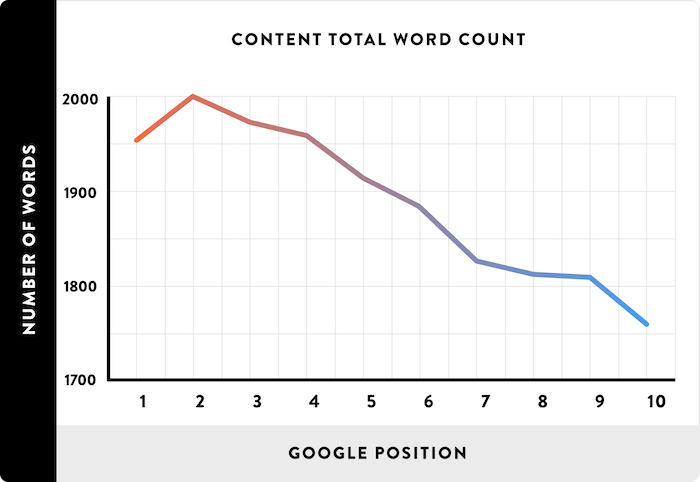
The biggest challenge with long-form content is keeping readers engaged until the end. Reading thousands of words can take an hour or more.
The solution is storytelling. Chances are, whenever you heard a great speech or read a great article, it was because it told a good story. Stories make facts easier to remember, and they're the best way to hold someone's attention through a long article or video. Storytelling is one of the writing skills that can improve your content results right away.
Here's an example from the 1940s that shows how copywriters used stories to sell products.
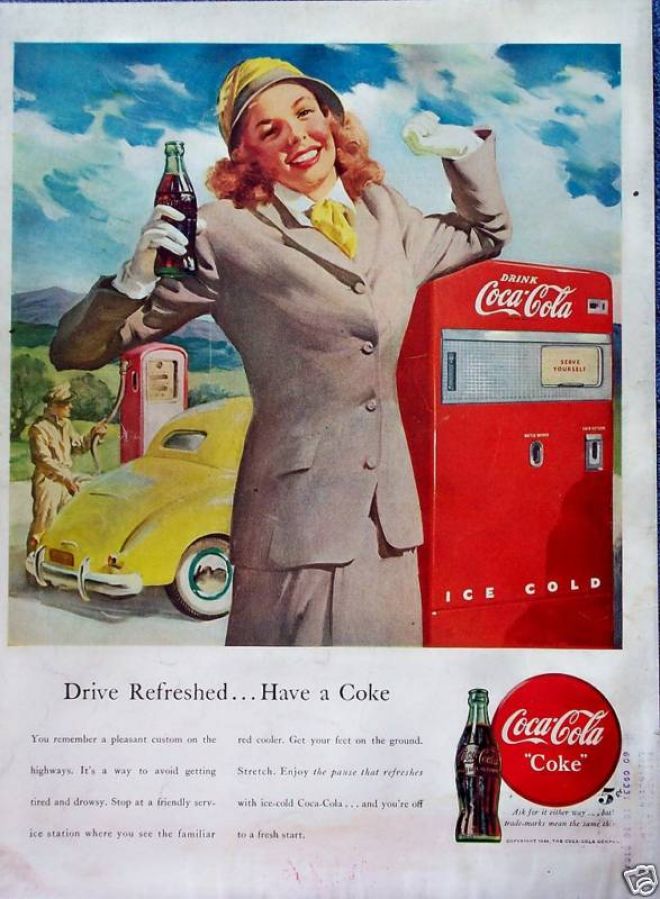
Lead with a story that shows why someone should give your product a try, or why it's useful.
3. Celebrity partnerships
Tired of creating content no one reads? Want instant exposure and trust as soon as your content goes live? Partner with influencers and spokespeople to help you promote it.
Celebrity endorsement uses a well-known person's fame and credibility to promote a product, a service, or a piece of content. Marketers hope the positive image of the celebrity carries over to the brand.
The idea goes back to the 1760s, when Josiah Wedgwood and Sons, a maker of pottery and chinaware, used royal endorsements to show the value of its products. Later, cigarette brands became heavily involved in celebrity advertising.
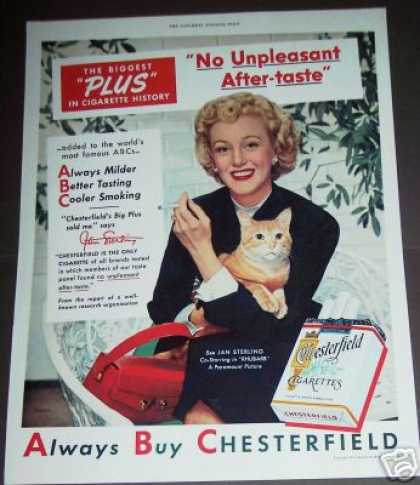
In the early 1930s, most celebrity endorsers were athletes. By 1945, the trend had shifted to movie stars.
In 1984, Nike noticed a talented young basketball player named Michael Jordan, and he became the face of the brand. The Jordan line is still one of Nike's biggest products today.
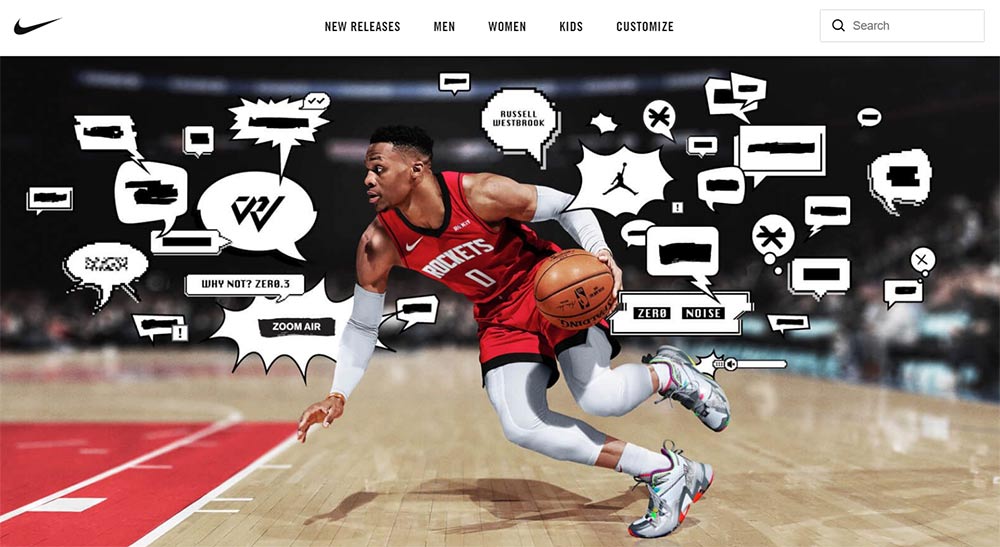
What does this have to do with content marketing? Take a look at Red Bull's Instagram or YouTube channel. You'll see plenty of extreme sports, but you'll rarely see a can of Red Bull.
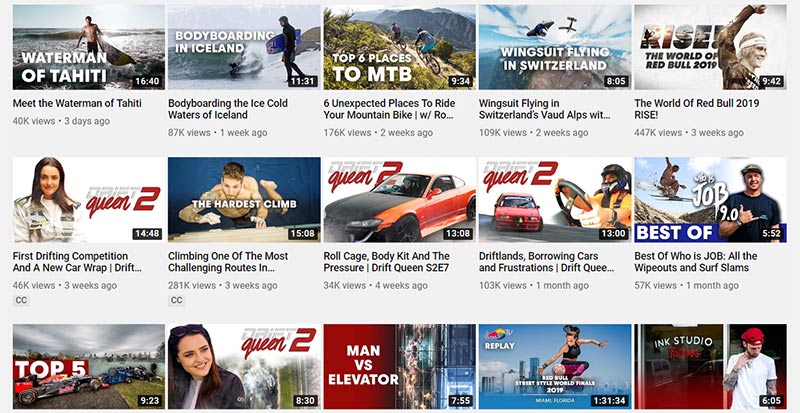
Red Bull, like many other brands, uses athletes and personalities to grab attention. That gives the brand time to place its message in the mind of a potential customer, and it builds an audience from someone else's audience, which brings people into your content funnel.
Find an influencer in your niche and let them grab attention for you. You'll get exposure for whatever you publish, and their audience's trust often carries over to your brand.
And don't forget simple, genuine testimonials from real customers. It doesn't have to be a celebrity. Testimonials help overcome objections and reassure readers that you're legit.
4. Own your media
It's no surprise that businesses that own a media channel have an easier time launching new products. It's an effective strategy, but not a new one.
In the 1920s, as radio grew in popularity, Sears, Roebuck and Company became a pioneer of radio advertising.
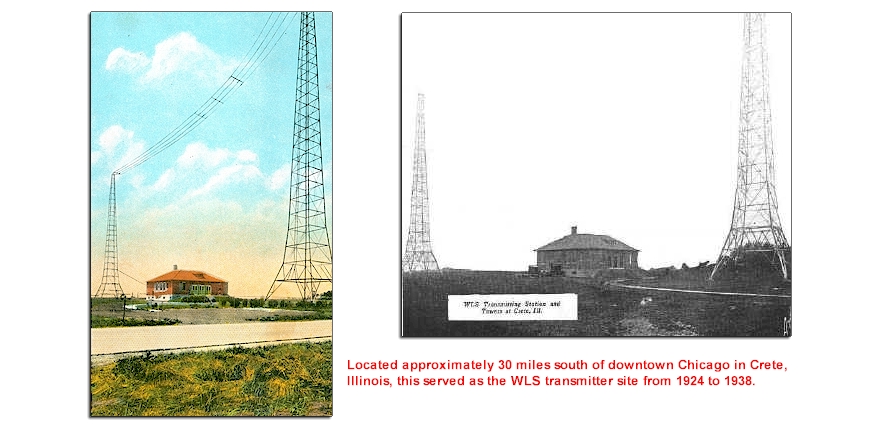
Their approach was to give farmers helpful information during the farm price crisis of the early 1920s. The relationship between farmers and the company became so strong, and the campaigns so profitable, that Sears decided it needed its own station.
In 1924, the WLS (World's Largest Store) radio station went on air. The Sears-Roebuck Agricultural Foundation provided the programming: comedy, music, civic and farm shows, and more. Sears went a step further and sold radios to its audience so they could tune in.
Today almost everyone carries a phone everywhere they go. What's stopping you from starting your own media channel? It can be a YouTube channel, a blog, a podcast, or a newsletter.
5. The omnichannel approach
Depending on a single traffic source is risky.
In the 1960s and 1970s, Esso, the brand that later became Exxon, understood the value of consistent brand messaging across many channels.
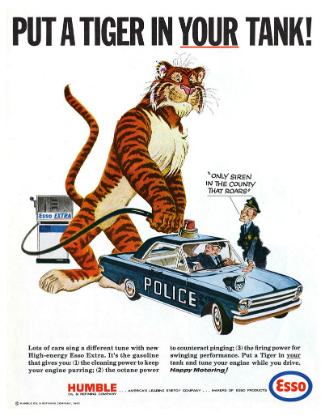
Some of you might remember the slogan "Put a Tiger in Your Tank", created by copywriter Emery Smith. The idea was simple: buy their gasoline, and your car gets the strength of a tiger.
The tiger became a mascot, a logo, and a call to action, used on every channel: television, radio, magazines, newspapers, and more. Wherever the ads appeared, the message was the same.
The campaign was a big hit in the USA. They even sold more than 2.5 million toy tiger tails that drivers attached to their cars.
Back then, launching and testing a new marketing message was far more expensive than it is today. The go-to strategy was to spread the same message across many channels, and that was a turning point for content marketing.
Today, testing new messages is relatively cheap. Yet many businesses still struggle to make their campaigns efficient and to scale them across channels.
The lesson for today: remarketing is one of the most undervalued marketing approaches. The tiger campaign showed the same message to the same people again and again, only in different media. Never before has it been this easy to show your message to people who have already shown interest in your product, or in a competitor's. Take advantage of remarketing.